
Introduction
South Africa’s primary health care (PHC) system operates in the context of entrenched social inequality and a complex disease burden.1,2 Despite longstanding policy commitments to community-oriented primary care,3 implementation remains uneven, particularly in rural, under-resourced settings where service pressures, infrastructure constraints and workforce instability shape what is feasible in everyday practice.4 Community health workers (CHWs) are central to ward-based outreach and PHC re-engineering,5 however, their effectiveness is constrained by limited training pathways, inconsistent supportive supervision, and weak recognition of broader community mobilisation roles.6–8
This study is situated within debates on learning health systems, district health systems and embedded health policy, and systems research (HPSR) practice. Learning health systems depend on the capacity to generate, interpret and use knowledge across individual, team, organisational and system levels.9 In South Africa, the district health system is a critical site for such learning at the intersection of national policy commitments, routine service delivery and community realities.10 From this perspective, community mobilisation training can be understood as a mechanism through which CHWs, supervisors, facility teams and managers can make sense of local problems, combine community and service knowledge with structured tools, and translate learning into action within routine PHC systems.
The Verbal Autopsy with Participatory Action Research (VAPAR) programme has operated since 2015 within the SAMRC/Wits Agincourt Health and Demographic Surveillance System platform to strengthen community participation through iterative cycles connecting communities and services in shared spaces for evidence, action and learning.11,12 During the COVID-19 pandemic, VAPAR was adapted to support CHWs as first responders and key links between households and facilities.13 The redesigned intervention delivered participatory action research training to strengthen community mobilisation competencies: convening groups, surfacing and prioritising concerns, interpreting concerns from multiple perspectives, and facilitating and monitoring action within communities and public services.
Early evaluation demonstrated the intervention’s utility as an implementation support mechanism for PHC, strengthening CHW confidence and competencies, supporting new community- and facility-based alliances, and contributing to stronger recognition of CHW roles.14 The training was recommended for sub-district expansion in 2021; a training-of-trainers package was developed and delivered in 2022, and by 2023, 116 CHWs had been trained across 22 clinics.12 Learning was disseminated to all three health districts in Mpumalanga and to provincial stakeholders, after which senior managers requested further roll-out. In response, the community mobilisation training was scaled across Mpumalanga’s three health districts in 2024 to support institutionalisation through PHC policy and practice engagement.
This study evaluates uptake of the intervention and early institutionalisation within PHC policy and practice. Community participation is distinguished as the broader PHC goal from CHW-led community mobilisation as a practical pathway through which participation may be supported. The intervention did not measure community participation directly; rather, it aimed to strengthen CHWs’ capabilities to convene community actors, elicit and organise local concerns, analyse service and community problems, and translate these into practical actions within clinics, outreach teams, and wider PHC systems.
Method
Study design and setting
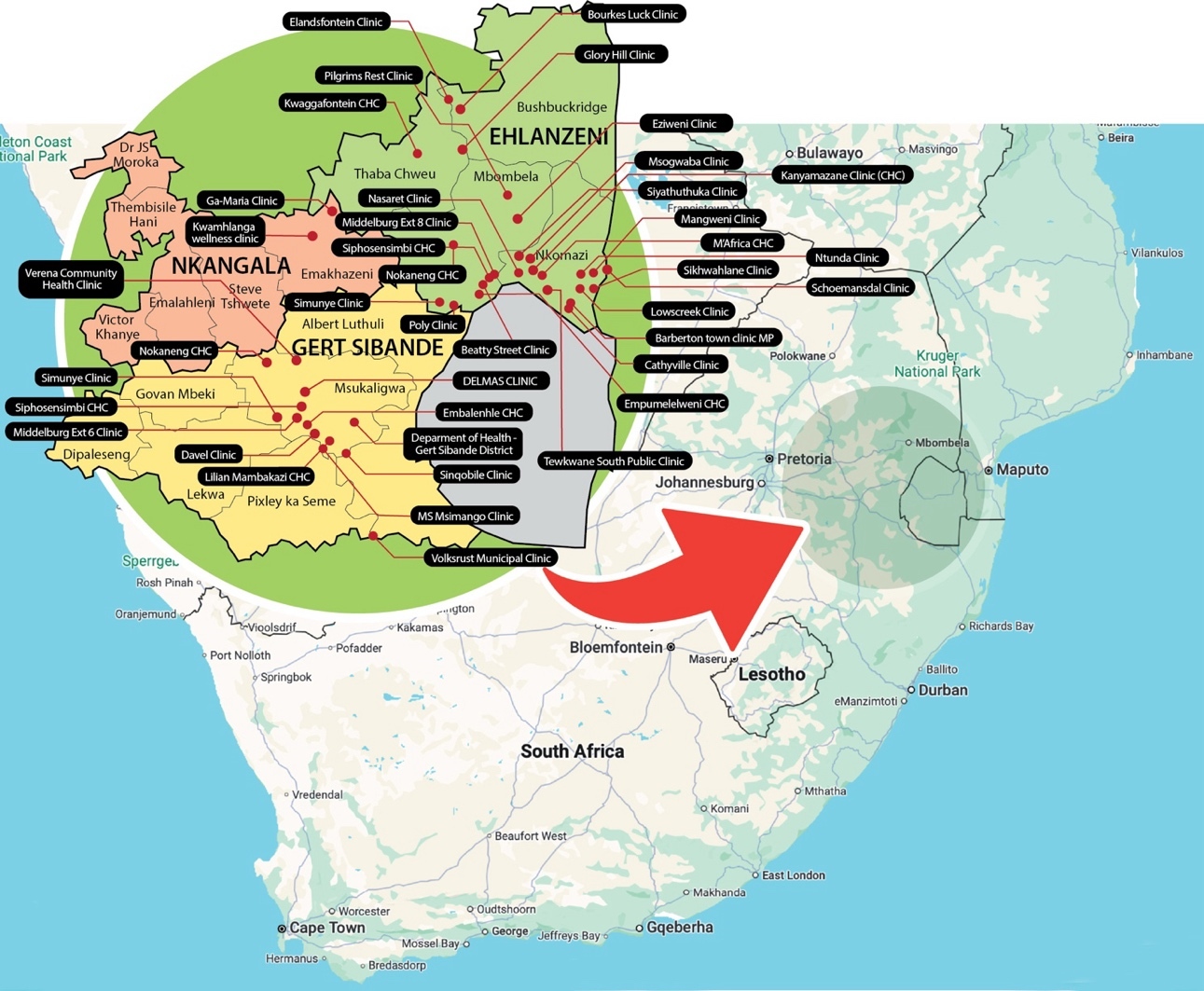
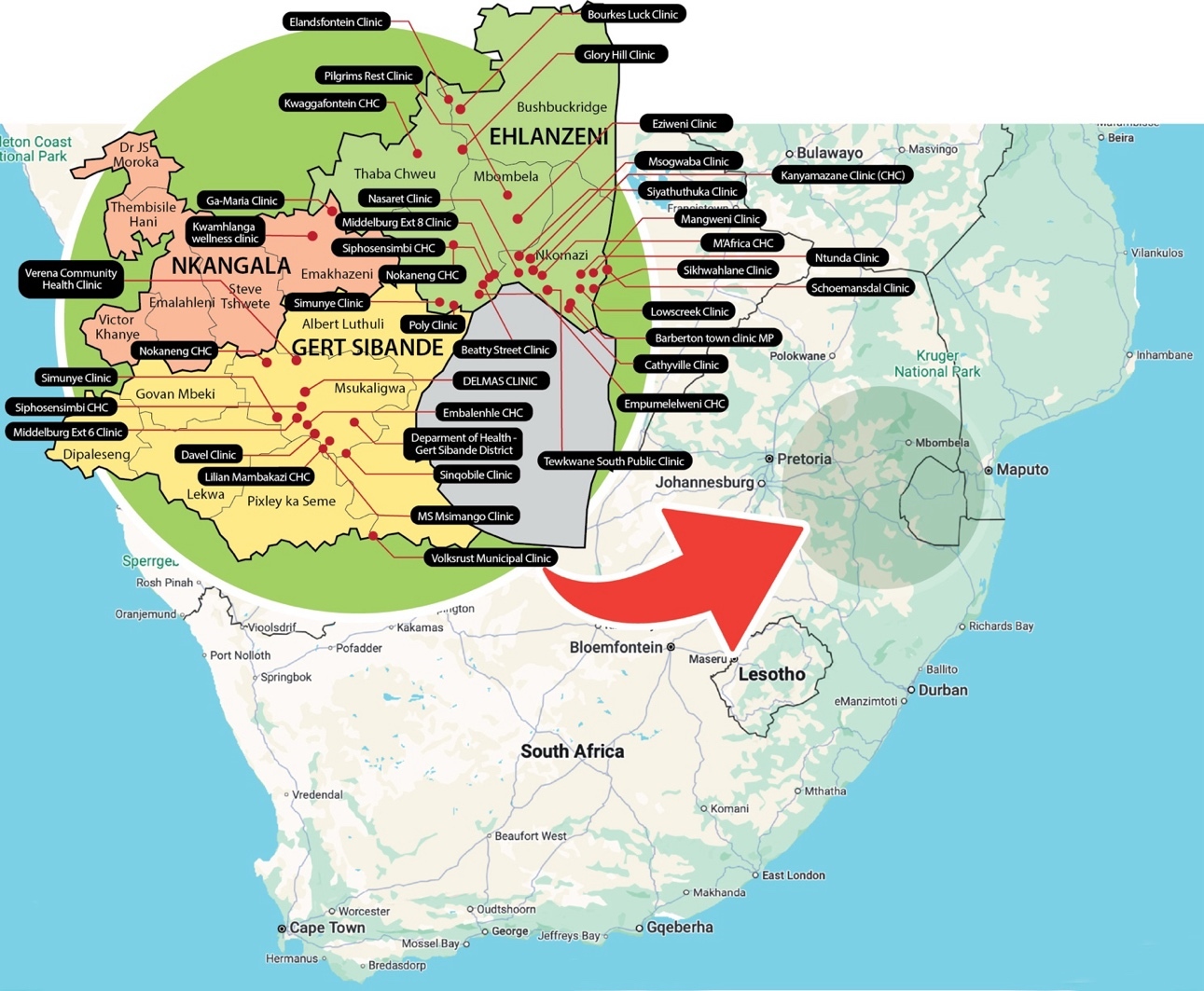
A qualitative HPSR evaluation was undertaken of uptake of the VAPAR community mobilisation training across all three health districts in Mpumalanga Province: Ehlanzeni, Nkangala and Gert Sibande (Figure 1). Activities were implemented within the public PHC system and aligned with existing district and sub-district structures for community-based services, training, and in-service learning. The evaluation was informed by Kingdon’s multiple streams framework,15 used pragmatically to examine whether and how the intervention was recognised as a response to implementation challenges in community participation, CHW support, and rural PHC strengthening.
Intervention
Training was guided by the VAPAR Community Mobilisation Training Manual, which contains participatory tools for community mobilisation and local problem solving: ranking and scoring, problem-tree analysis, photovoice, Venn-based stakeholder mapping and action pathways (Table 1).16 These tools supported trainees to identify priority concerns, analyse causes and stakeholders, and develop feasible actions with responsibilities, resources, and timelines. The manual was available in print and online, and in English and XiTsonga.
District engagement began with inception forums involving approximately 12–15 health system actors per district: PHC and programme managers, PHC supervisors, clinic operational managers, and ward-based PHC outreach team leaders. Forums introduced the existing training-of-trainers package, adapted its content to district health priorities, confirmed enrolment, and planned delivery within district routines. A second round of forums reviewed the adapted district manuals. Training was then delivered to CHWs and outreach team leaders (OTLs), with wider PHC cadres engaged through district forums and dissemination workshops. Ward-based PHC outreach teams, within which CHWs and OTLs are located, form one of the three streams of PHC re-engineering set out in national implementation guidelines for provinces.17
In Ehlanzeni and Nkangala, training was delivered one day per week over six weeks, alternating theory-oriented sessions with practice-oriented sessions in which trainees applied tools to routine PHC challenges. In Gert Sibande, the same theory and practice components were delivered through three longer sessions adapted to local service constraints. Delivery combined facilitated discussion, oral explanation, peer reflection, practical demonstration, visual mapping, and small-group work on locally relevant examples, producing group-completed diagrams and action plans. These modalities were selected to accommodate variation in literacy, confidence and prior training. Tools were applied to in-service challenges selected by CHWs themselves, including treatment adherence, stigma, tracing, loss to follow-up, referral coordination and barriers to care.
Data sources and key informants
Three data streams were triangulated. First, a structured desk review examined policy commitments and implementation arrangements relevant to community participation, CHWs, ward-based outreach teams and PHC strengthening in South Africa for contextual background. The review updated an existing review and focused on English-language peer-reviewed and grey literature from 2021 onwards. Sources included: Google Scholar, PubMed, Medline, Global Health via Web of Science, and relevant government, development partner, academic and public-interest health system websites. Search terms included: ‘community participation’, ‘community engagement’, ‘community involvement’, ‘community activism’, ‘primary health care’, ‘health planning’, ‘health system’, and ‘health services’. Records were screened by title and abstract, followed by full-text review where relevant, bibliography screening, and snowball searching. Findings were extracted and synthesised thematically (Appendix 1).
Second, project and implementation documents were synthesised, including: district forum reports, training reports, training packages, fieldnotes, workshop agendas, attendance records, dissemination outputs and implementation roadmap materials. These documents captured participant composition, participatory tool outputs, action plans, implementation reflections, group dynamics, lessons learnt and proposed next steps.
Third, semi-structured interviews were conducted with a purposive sample of trainees. Eligible trainees were CHWs and OTLs who had participated in the VAPAR community mobilisation training and were able to provide informed consent. Those unavailable after follow-up or who declined were not interviewed. Sampling aimed to include variation by district, cadre and clinic setting. Twenty-two interviews were completed with 17 CHWs and five OTLs across 22 clinics (Table 2). Interview coverage of supervisory cadres was lower than planned in some settings because of staff movement, non-renewal of contracts, illness and unavailability.
Data collection and analysis
Interviews explored experiences of training, perceived relevance and application of participatory tools, peer diffusion, CHW roles and working environments, constraints to applying learning, and views on sustainability and institutional uptake. Potential informants were approached by the local lead researcher, received an information sheet and consent form, and were given at least 72 hours to consider participation. Interviews took place in person where feasible, otherwise online or by telephone, lasted 60–90 minutes, were audio-recorded with consent, and were summarised in structured templates checked against recordings. All study instruments (interview guide, information sheet and consent form) were prepared in English, and interviews were conducted in English by the local lead researcher, who was known to training recipients and experienced in the study setting.
Analysis combined framework-informed and thematic approaches. Data were organised in matrices. Kingdon’s framework was used to organise data on problem, policy and politics streams, policy entrepreneurs, and windows of opportunity.15 Within and across these domains, thematic analysis examined utility and feasibility, perceived changes, diffusion, enabling conditions and barriers, institutionalisation options, sustainability, and equity. For the peer-diffusion analysis, interview reports were coded to identify whether informants described shared training with others, the estimated number and cadres reached where reported, and whether diffusion occurred through formal in-service sessions, informal mentoring, or both.
Credibility was strengthened through triangulation across interviews, training reports, fieldnotes, workshop outputs and dissemination materials, structured documentation of project activities, team discussion of emerging findings, and review with health system partners during dissemination and implementation-planning activities. Several authors were involved in developing, delivering or supporting the intervention, and Mpumalanga Department of Health co-authors were involved in implementation and policy engagement. This embedded position supported interpretation of real-world uptake, while requiring caution in interpreting project effects. Claims were therefore checked across multiple data sources and reported cautiously, particularly in relation to diffusion, fidelity, service impact, and institutionalisation.
Ethical considerations
Key informants were not remunerated. Safeguards included informed consent, voluntary participation, the right to decline questions or withdraw, and careful facilitation to minimise coercion. Data were stored on password-protected systems with restricted access, with identifiable information stored separately. The evaluation protocol was approved by the University of the Witwatersrand Human Research Ethics Committee (H24/07/41) and the Research Directorate of Mpumalanga Department of Health (MP_202412_003).
Findings
Twenty-two interviews were conducted across 22 clinics in three districts: 17 with CHWs and five with OTLs (Table 2). Overall, informants described the training as practical, confidence building, and immediately applicable to routine work. Seven themes were identified (Appendix 2) and are discussed below.
Strengthened confidence and role clarity
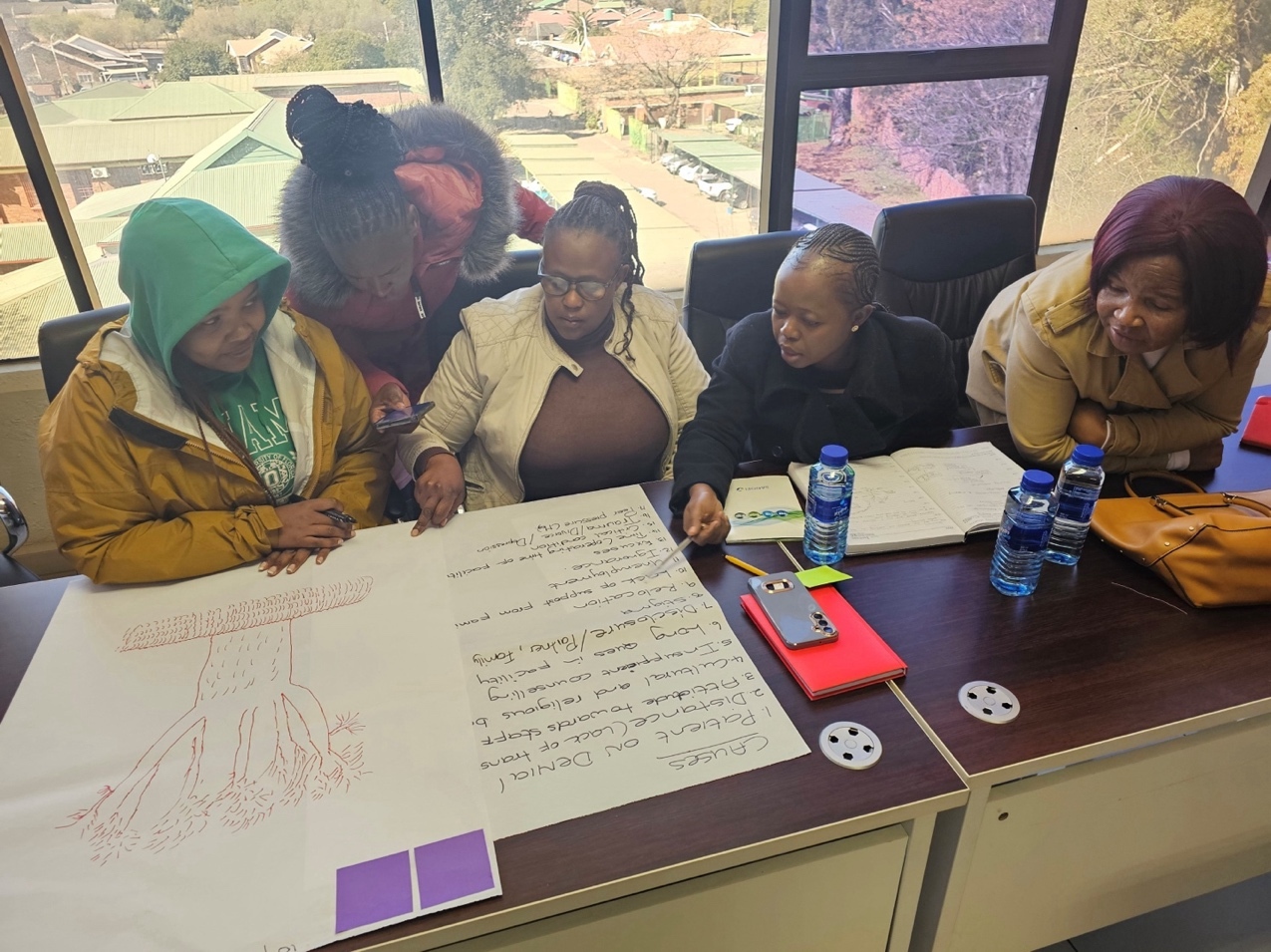
Key informants described increased confidence to speak in groups, facilitate discussions, engage community members and raise concerns with clinic colleagues. They also described a shift from individual blame toward more systems-oriented problem solving, enabling them to frame community challenges as issues that could be discussed and acted on within PHC teams: “I have gained confidence through this training, now I am able to stand in front of people and speak with confidence”, (CHW, Ehlanzeni). And further: “Now they [CHWs] have confidence to address problems they face in the community like stigma, not being allowed to enter certain households, refusals”, (OTL, Gert Sibande).
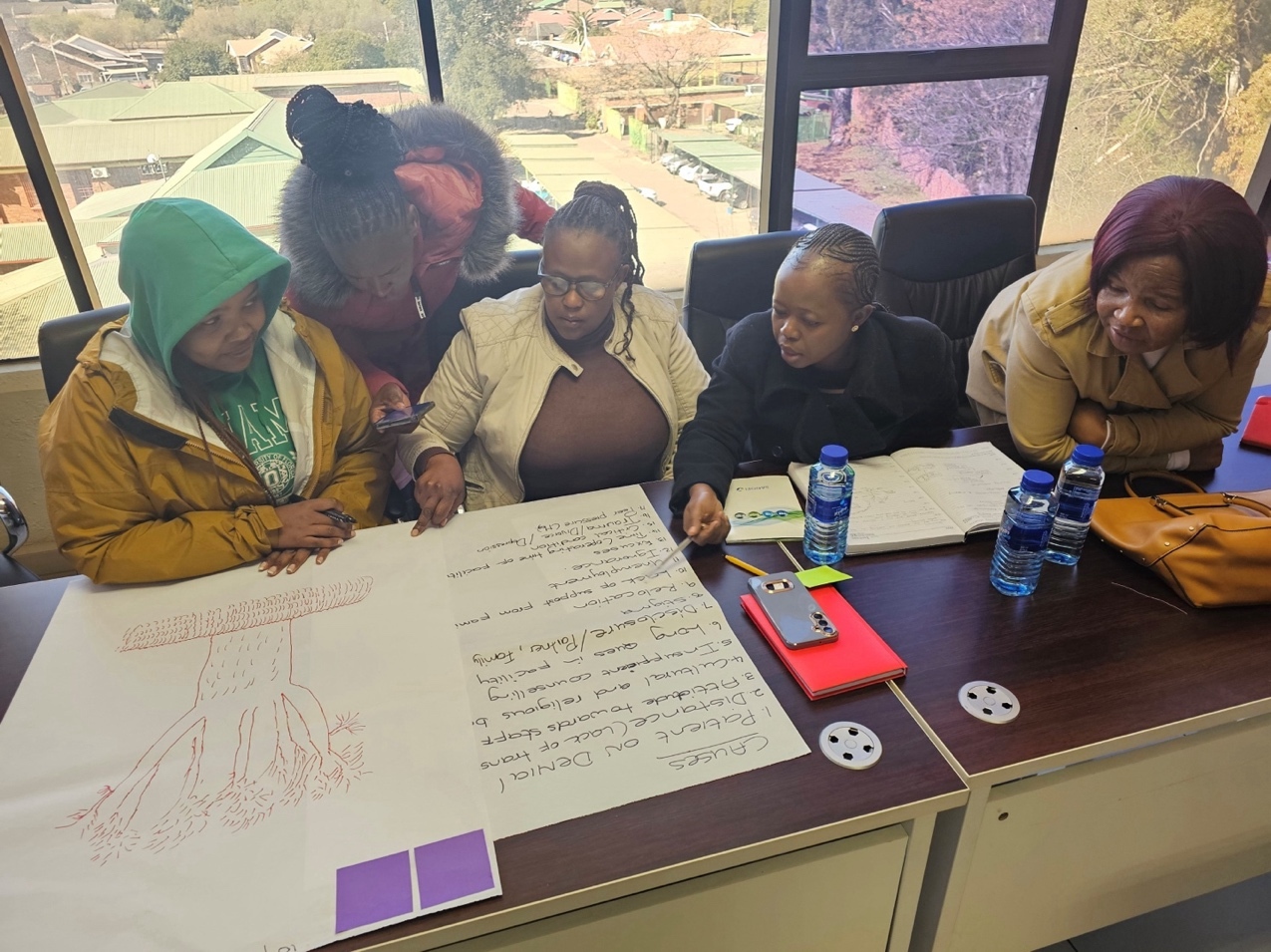
These changes were described as relational shifts in how CHWs understood their role: as more able to communicate upward, translate community experience into actionable issues, and initiate coordination conversations with OTLs and facility staff (Figure 2).
Application of participatory tools to local service challenges
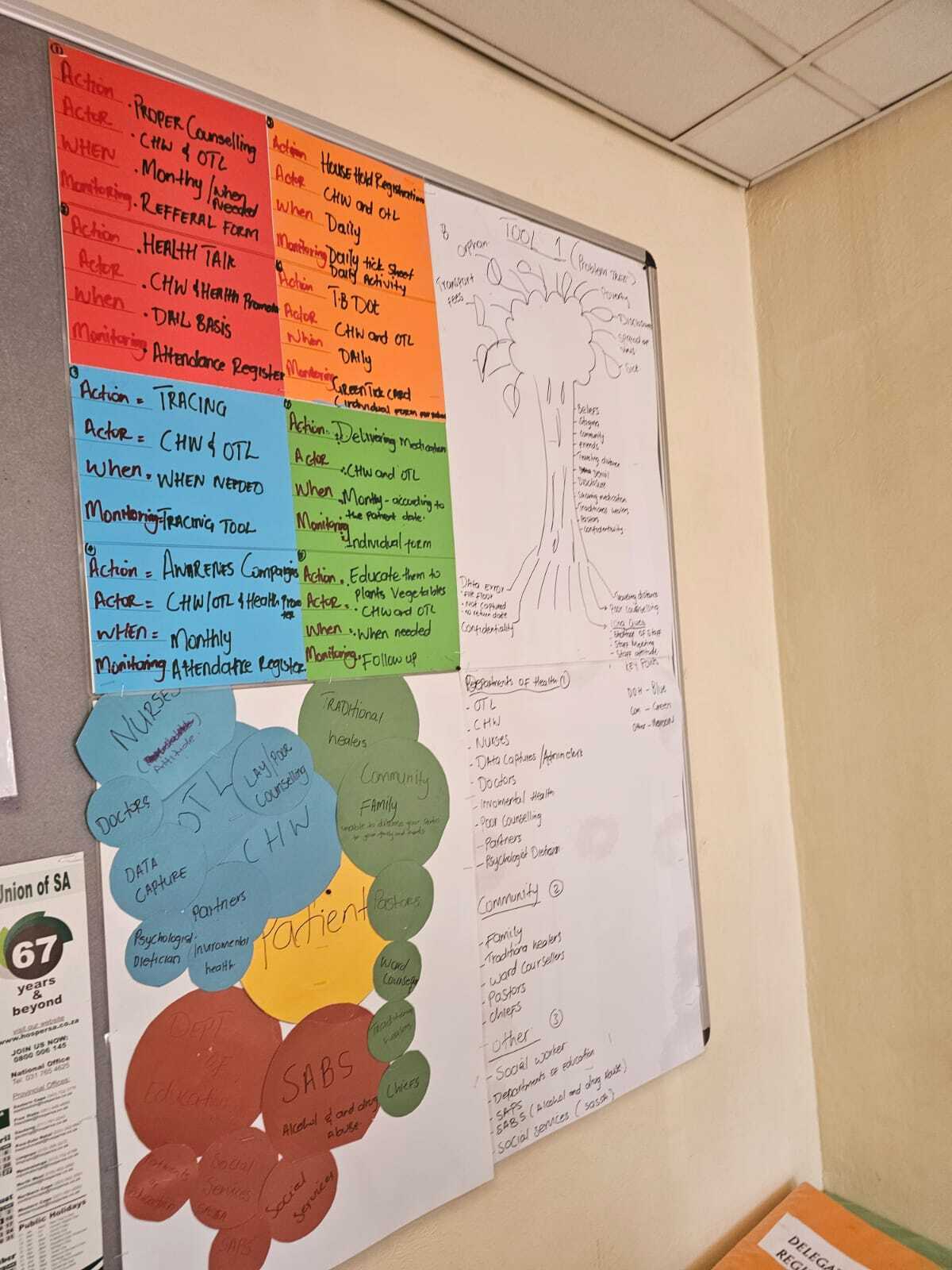
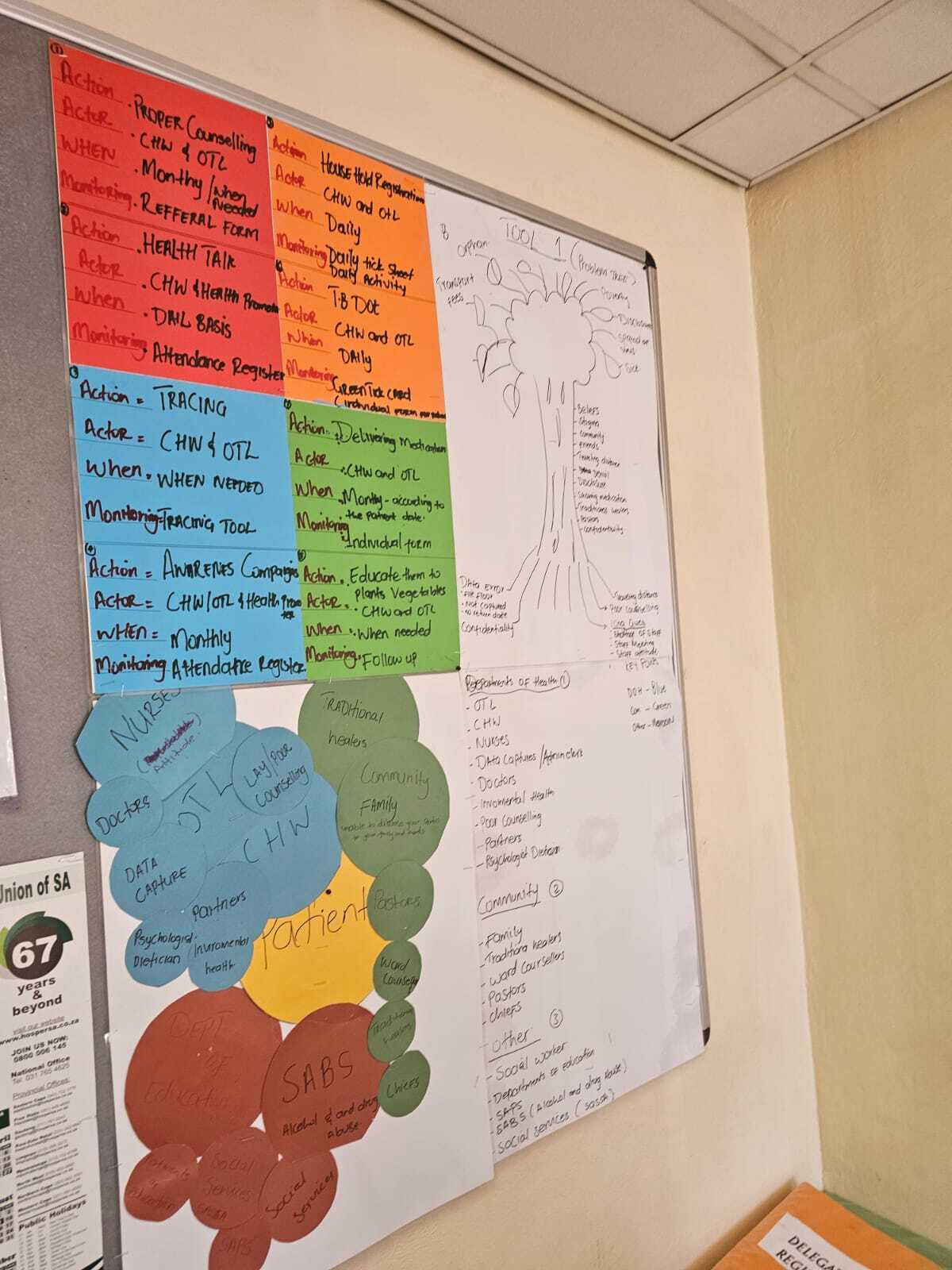
Informants described applying the tools to local challenges identified as part of the process. These included adherence support, stigma, tracing, referral coordination and loss to follow-up. Problem trees helped training recipients analyse causes across household, community, and service levels, including transport costs, stigma, administrative processes and weak communication between outreach teams and facilities. Venn diagrams supported stakeholder analysis, while action pathways translated analysis into practical steps such as improving household registration, reminders, tracing routines, health education and referral feedback (Figure 3). This shift can be seen in the following reflection:
“We no longer call them defaulters; we say missed appointments. We apply the tools we learnt during the training to understand the main reasons for defaulting”, (CHW, Nkangala). Interviewees described the tools as useful because they converted everyday service problems into structured plans that could be discussed with colleagues and community actors.
Extending mobilisation into communities and across sectors
Key informants described applying the tools in one-to-one encounters with patients and households. A smaller number used them to convene community members directly, running the problem tree with groups drawn from outside the health workforce: “The first group was 15 people, second group was seven people. These were not CHWs but people from the community, mostly women, because they also need to be responsible of their health and the health of their loved ones”, (CHW, Ehlanzeni). Others took the tools to settings where groups already gathered: “I even went to a certain place where people gather to drink alcohol and got few men there, I shared with them the problem tree, we discussed about the reasons why people become lost to follow-up”, (CHW, Ehlanzeni). Elsewhere, the tools supported existing community platforms. One key informant described using the training to plan a clinic open day, inviting stakeholders, community members and local leaders to raise awareness of available services. An OTL described convening traditional leaders where cultural beliefs were affecting a patient’s care, to agree a shared way forward.
Stakeholder mapping also prompted engagement beyond the health sector. Key informants described referring and, in some cases, accompanying patients to Social Development and Home Affairs where social grants or identity documents were barriers to adherence, and working with Education on health promotion: “We involve different stakeholders in our work, indunas, Home Affairs and many others”, (OTL, Ehlanzeni). Capability was reported more widely than activity, with several describing knowing how to convene but not yet having done so, constrained by funds, timing or workload: “I did not know the procedure for mobilising the community … As an OTL, I am now equipped to organise events, like community events with much confidence. I now know how to identify and invite them”, (OTL, Ehlanzeni).
Improved teamwork and clinic-community interactions
Many key informants reported improved collaboration between CHWs, OTLs and facility staff, particularly around follow-up, health talks, referral coordination and tracing. Where outreach leadership was stable and supervision was supportive, the training appeared to strengthen feedback loops between community-facing work and facility routines: “I can see a great change from my OTL, now when we request him to go with us to the field he doesn’t refuse, he understands the importance of going to the field with us”, (CHW, Gert Sibande).
These gains were uneven. Staff movement, changes in OTLs, and persistent relational challenges in communities, including stigma, mistrust and refusals of household entry, limited continuity in some settings. Benefits were easier to sustain where regular in-service training and learning spaces, stable teams and supportive supervision were present.
Rapid peer diffusion: the ‘multiplier effect’
A key finding was rapid peer-to-peer diffusion of training content and tools beyond those directly trained. Interviewees described peer-led in-service sessions, informal mentoring and day-to-day tool sharing within clinics and outreach teams: “After the training, I gained more knowledge, and I came back and shared the information with other CHWs and professional nurses and OPMs [operational managers] at the clinic”, (CHW, Nkangala). Among 22 interviewed trainees, 21 reported sharing training with others through formal or informal mechanisms, with a minimum reported reach of approximately an additional 280 peers or community members (Appendices 3–4). This estimate was calculated from numeric reports provided by interviewees and should be interpreted as a minimum, because several training recipients described diffusion but did not provide a number.
Diffusion was not recounted as replication of the original training. In some settings, training recipients adapted the training as they shared it. One OTL who cascaded the training to a large number of CHWs introduced an informal assessment exercise, described as: “they write an exam”, to check understanding. This was not part of the original VAPAR package and was not a validated assessment instrument; rather, it was a local adaptation during peer diffusion. Cross-cadre sharing was also reported, including sharing with OTLs, professional nurses, operational managers, data capturers and administrative personnel through in-service training. This suggests that participatory tools could enter existing facility learning spaces. However, diffusion counts were self-reported, registers or training logs documenting who was trained, by whom, when and on which tools, alongside brief competency checks were inconsistently available, and peer-led training quality likely varied depending on facilitation skill, workload, team stability and supervisory support. The multiplier effect is therefore best treated as an early indicator of acceptability, relevance and scalability, rather than proof of coverage, fidelity or service impact.
Constraints shaping sustainability
Key informants identified operational constraints that limited routine application of learning, including transport gaps, lack of uniforms, shortages of basic equipment, workload pressures and limited protected time for learning and community mobilisation. Uneven foundational skills and literacy also shaped who could benefit from and share the training. Others viewed peer diffusion as a pragmatic response to such constraints, enabling higher-confidence or higher-literacy CHWs to support others. However, this also raised equity and quality concerns if diffusion was not supported by supervision, mentoring and simple quality-assurance mechanisms. For example: “The other problem is CHW illiteracy. It is hard for some CHWs to understand. Even if you give them the manual”, (CHW, Gert Sibande). And: “Take CHWs who knows how to read and write so that they can share with others, just like how we did in this training”, (CHW, Gert Sibande).
Early institutional uptake and implementation roadmap
Evidence for institutional uptake was drawn from reports of the dissemination workshops, district forum reports and fieldnotes completed at the time of each activity. From these, clear signals of institutional uptake at provincial, training system and programme levels were identified. Project outputs described district and provincial endorsement of the training as a mechanism for integrating community participation routines into PHC delivery. Provincial leadership framed the training as a strategic vehicle within the revitalised Health Promotion programme in the post-PEPFAR context and reported steps to align the training with regional training centre requirements, with a view to formal registration as in-service training and consideration as a benchmark for wider roll-out (Appendix 5a). The final provincial dissemination workshop generated an implementation roadmap for taking the training forward within PHC systems. This roadmap was an output of deliberation with provincial, district and sub-district stakeholders, CHWs, OTLs and the VAPAR team. The roadmap is summarised in Appendix 5b.
These findings indicate movement from project-based training toward implementation planning within existing health system structures. The involvement of human resource development and regional training centre representatives was especially important for taking the training forward as an in-service training resource. The roadmap also linked the intervention to revitalised health promotion, suggesting that participatory community mobilisation was being considered as a CHW training activity and a practical mechanism for strengthening PHC responsiveness, community engagement and local problem-solving.
Discussion
This study contributes to learning health systems and PHC strengthening by showing how participatory learning can function as an implementation support mechanism within a rural district health system. Rather than treating CHW training as a discrete capacity building activity, the evaluation shows how structured tools and facilitated learning cycles enabled CHWs, supervisors and facility actors to convert tacit community and service knowledge into practical analysis, action planning and peer learning. On this basis, the study makes three contributions. First, it shows how CHW-led community mobilisation can create practical bridges between community experience and PHC service action. Second, it identifies peer-to-peer diffusion through routine in-service spaces as a potential mechanism for scale. Third, it documents early institutionalisation processes through which participatory learning began to move from a time-limited project toward routine practice in health promotion, training and implementation planning systems.
The findings offer a practical example of learning health systems in action. Learning occurred across levels: individually, as CHWs developed confidence and facilitation capabilities; collectively, as CHWs, OTLs and facility staff used participatory tools to interpret service and community problems; organisationally, as learning entered routine in-service spaces and peer-led training; and systemically, as provincial actors considered alignment with health promotion programming, regional training centre requirements and CHW training pathways. In this sense, VAPAR bridged tacit knowledge from communities and frontline workers, structured participatory evidence, and supported routine PHC decision-making. This is consistent with the wider 10–year VAPAR evaluation, which showed how participatory learning platforms can integrate community knowledge with health system decision-making, activate trust building, role clarity, collective sense-making and CHW agency, and support institutionalisation within decentralised health systems.12
Across districts, reported gains mapped closely onto what PHC systems require to act on local priorities: facilitation skills, problem analysis, communication, and more confident engagement with communities and facility teams. Barriers to continuity of care, including adherence, tracing, and loss to follow-up, are often produced at the intersection of household lived realities, stigma and service routines, requiring CHWs to broker solutions across settings.19 The tools helped trainees convert experiential knowledge into structured evidence and action. Problem trees and stakeholder mapping supported system-oriented explanations, while action pathways supported sequenced steps with roles and accountability. These do not demonstrate system-wide service change, but do reveal the micro-mechanisms through which participatory learning can support more responsive routines, especially when aligned with supervision, facility leadership and engagement of actors beyond health.20
The findings should therefore be interpreted as evidence that participatory learning can strengthen CHW-led community mobilisation capabilities, rather than as direct evidence of increased community participation. The contribution lies in showing how a frontline cadre can be supported to create practical bridges between community experience and PHC service action. It is noteworthy that capacitating CHWs is not the same as demonstrating community participation, but it can strengthen the everyday capacities, relationships and routines through which participation may become more feasible within PHC systems.
Rapid diffusion of training content beyond the initial cohort was a key finding. Although the training-of-trainers model anticipated some degree of cascade, the immediacy and informality of diffusion suggested strong acceptability and readiness for horizontal learning within routine PHC. Most interviewees described sharing tools in formal in-service sessions and through informal mentoring. Some described basic quality checks and perceived improvements in follow-up practice. However, diffusion creates a predictable implementation tension: what spreads quickly may not spread evenly, and what spreads may not retain fidelity. Self-reported reach can over-estimate coverage, registers and competency checks were inconsistently available, and peer teaching quality will vary with facilitation skill, workload, team stability and supervisory support.
The multiplier effect is therefore best understood as a promising scaling mechanism requiring light-touch systems for equity and quality assurance. Existing training infrastructure provides a practical platform for such checks. The Ward-Based Primary Health Care Outreach Teams: Work-Integrated Learning (WIL) guidance, for example, specifies routine learning through weekly in-service training and the use of pre/post-tests to identify learning needs and compare progress.21 To support institutionalisation, a community mobilisation module could be embedded into routine WIL and in-service spaces, supported by simple registers, templates and brief competency checks focused on tool use, with periodic calibration and refresher sessions. Elsewhere, routine health service variables have been successfully used to assess performance and effectiveness of CHW programmes.22
That CHWs sometimes shared learning with nurses, managers and other facility staff is important in a system where CHWs often have limited formal authority. These examples do not necessarily constitute evidence that professional hierarchies were dissolved. Rather, the intervention appeared to create bounded spaces in which CHW experiential knowledge could be recognised, circulated and linked to practical service improvement. Acceptance of CHW-led sharing was likely shaped by local relationships, managerial support and the openness of existing in-service learning spaces. Sustaining this shift will require explicit managerial support, supervision structures and attention to CHW authority, recognition and working conditions.
The findings provide evidence of institutionalisation processes rather than completed system-wide institutionalisation. These processes included peer diffusion into routine service and in-service learning spaces, provincial positioning of the training within revitalised health promotion, steps toward regional training centre alignment and formal in-service registration, and development of an implementation roadmap for embedding the training within PHC systems. These early uptake signals coincided with wider post-COVID attention to strengthening and professionalising parts of the CHW workforce, including debates on bringing CHWs more securely into public service roles, improving employment conditions, standardising training, and clarifying supervision and career pathways.23 This provides an important policy context for embedding practical learning systems that strengthen CHW capability, accountability and community trust.24,25
Interpreted using Kingdon’s multiple streams heuristic, the findings suggest convergence of a recognised implementation gap in CHW support and community participation (problem stream); availability of a feasible participatory learning package (policy stream); and post-COVID momentum for district-led PHC, health promotion and training system alignment (politics stream). Together, and facilitated by the embedded research/practitioner team, the alignment of the problem, a solution, and political feasibility opened a policy window that enabled early uptake. The most realistic route to sustainability is now incremental embedding rather than creating a parallel programme: aligning VAPAR tools with existing CHW curricula, formalising them within in-service training, supporting local facilitation capacity, and providing modest logistical resources to protect time, participation, and quality.
Feasibility must also be understood within a constrained resource environment. Interviewees and district stakeholders identified transport, training materials, protected time, refresher training and supervision as necessary conditions for equitable and sustained implementation. Without such support, peer diffusion may amplify reach but also risk uneven quality, variable fidelity and inequitable access to training. For this reason, scale-up should not be assumed to occur without investment, even where existing PHC and health promotion structures provide useful entry points.
Future research should examine how participatory learning is sustained within routine PHC systems over time, including fidelity of peer diffusion, equity of access to training, effects on supervision and team functioning, and whether strengthened CHW mobilisation capabilities translate into more meaningful community engagement, stronger accountability relationships, service responsiveness and health outcomes.
Limitations
Interpretations should be made with caution. Evidence is largely based on self-reporting and project documentation, with limited direct observation of practice change. Diffusion estimates are indicative and may be imprecise; fidelity and equity of peer diffusion were not formally assessed. Interview coverage of supervisory cadres was constrained in at least one district due to staff movement. Outcomes are mainly proximal, including skills, relationships and processes. Links to service indicators and health outcomes are plausible but not yet demonstrated. Evidence of institutional uptake was derived from project documentation and team reflection. Claims about provincial positioning and training alignment should therefore be read as reported intentions rather than verified institutional decisions. Interviews were conducted in English, and were summarised from recordings rather than transcribed verbatim. Given variations in literacy, language and confidence reported among CHWs, this may have constrained depth in some accounts, and quotations should be read as informants’ English expression rather than first-language speech.
Recommendations
Six practical steps are recommended for provincial and district health authorities, regional training centres and health promotion programmes.
-
Embed participatory learning in routine systems: integrate community mobilisation tools into district/sub-district in-service training, WIL platforms and supervision structures, with clear programme and training-centre ownership.
-
Strengthen supervision and role clarity: formalise OTL and facility manager coaching roles, protect time for mentoring, debriefing and reflective practice, and define referral/escalation pathways for community-identified issues.
-
Enable equitable scale-up: use tiered training and additional mentoring for CHWs with different literacy and educational backgrounds, especially in under-resourced facilities.
-
Quality-assure peer diffusion: treat the multiplier effect as a scaling pathway, but document and support it through simple registers, brief competency checks and periodic refresher/calibration sessions.
-
Build learning into routine monitoring: link mobilisation activities to feasible indicators such as tracing completeness, referral completion and appointment adherence, with feedback loops between CHWs, supervisors and managers.
-
Resource a minimum enabling package: secure transport support, simple training materials, protected time and supervision so community mobilisation learning can be applied equitably.
Conclusion
Structured participatory learning for community mobilisation was feasible and acceptable within rural PHC settings in Mpumalanga. CHWs and supervisors reported improved confidence, facilitation, problem solving, communication, and teamwork, and described practical use of participatory tools to address service challenges including adherence, stigma, referral coordination and loss to follow-up. The findings show how CHW-led community mobilisation can support relational and community-oriented PHC strengthening by helping frontline workers convene actors, surface local concerns, and translate tacit community and service knowledge into collective problem solving across communities and facilities.
Rapid peer diffusion of training content, or the ‘multiplier effect’, suggests strong perceived utility and a plausible route to scale through routine in-service platforms. Twenty-one of 22 interview respondents reported sharing learning with others, with a minimum estimated reach of 280 additional people. However, this finding should be interpreted cautiously because reach was self-reported, fidelity was not formally assessed, and diffusion may be uneven where supervision, protected time, resources and foundational skills vary.
The findings indicate early institutionalisation processes rather than completed system-wide institutionalisation. Sustained institutionalisation will require supportive supervision, modest enabling resources, integration into routine training and health promotion systems, and simple mechanisms to document and quality-assure peer diffusion, including registers, competency checks and refresher sessions.
Acknowledgements
The authors acknowledge Mpumalanga Department of Health at provincial, district, and facility levels; CHWs and outreach team leaders who participated in training, evaluation, and dissemination; and collaborating institutions supporting VAPAR implementation and learning. The authors also acknowledge the leadership of Ms Maria van der Merwe, who developed and delivered the latter stages of the VAPAR programme aligning participatory action research methodology with statutory service planning and governance frameworks. Ms van der Merwe also led the training in 2024. We acknowledge colleagues at Mpumalanga Department of Health: Mr Reflect S Mabika, Ms Dudu Mdluli, Mr David Mdluli, Mr Ishmael Mtungwa and Dr Barry Spies who have shared critical expertise shaping over a decade the broader concepts and idea about data, embedded research, and community and professional learning and empowerment. The work was supported by the UK Medical Research Foundation project title: ‘Building bridges – institutionalising practical solutions for community participation in rural South Africa through primary health care policy and practice engagement’, Reference: MRF-CPP-R1-23-104. During the preparation of this work the authors used ChatGPT (OpenAI, GPT-5, 2026) for language editing and improving clarity of expression. After using this tool/service, the authors reviewed and edited the content as needed and take full responsibility for the content of the published article.