
Introduction
In their flagship report, the Alliance for Health Policy and Systems Research (AHPSR) promotes the learning health system (LHS) as a useful framework for strengthening the efficiency and responsiveness of health systems, particularly in low- and middle-income countries (LMICs). An LHS is one that continuously generates, shares, and applies knowledge across all levels of the health system, enabling ongoing learning and adaptation to improve health system performance.1
The backbone of any LHS is empowered learners: people who are connected to a learning community, have access to useful data, and feel confident to act on insights.2,3 Learners must understand their own context, resources, strengths and limitations, and be clear about what they aim to achieve. Organisational culture is a key enabler of learning, encompassing the shared values, norms, and behaviours that encourage staff to question, experiment, improve, and adapt, supported by routine feedback and knowledge sharing. Building an LHS therefore requires not only timely information, but also organisational structures, processes, and change management that foster this culture and enable people to generate, use, and act on data.1,4
Although increasingly used in high-income settings, LHSs in LMICs remain limited and under-documented.4–6 In South Africa, there has been growing national commitment to routine data use and quality improvement, alongside several examples of key LHS elements, including collaborative and embedded learning.7–11 However, descriptions of how these elements have been intentionally integrated across multiple levels of the health system to foster an LHS remain limited.
The Western Cape Department of Health and Wellness (WCDHW) has laid important foundations for an LHS through Healthcare 2030, its long-term strategic vision for the provincial health system, specifically: “A culture of learning and improvement will be fostered in the [WCDHW]. This will be done through the encouragement of on-going, regular reflection on performance and developments and the sharing of lessons and experiences within the Department.”12
Additionally, ongoing investment in the Western Cape’s Provincial Health Data Centre (PHDC), an integrated health information system (HIS), has expanded access to its Single Patient Viewer (SPV) platform, which provides linked patient-level clinical information and aggregated programmatic reports across care settings.13 Despite these advances, opportunities remain to strengthen data-informed decision-making, given persistent barriers including fragmented data systems, limited digital literacy, and a culture of compliance reporting over adaptive learning.14,15
To address this, the WCDHW partnered with the Health Foundation of South Africa through the Scaling Use of Health Data project, which seconded multidisciplinary teams consisting of public health professionals, information management officers, and quality improvement advisors into WCDHW structures at provincial, district, and sub-district levels.16 Phase 1 (2021–2023) focused primarily on strengthening the provincial data infrastructure, expanding routine data tools to support decision-making, scaling up access to SPV, and implementing HIV and TB policies. Building on these foundations, Phase 2 (2023–2026) focused on broader organisational learning involving quality improvement, while continuing to develop and refine data tools in response to implementation needs.
This case study describes the evolution of efforts during Phase 2 of the Scaling Use of Health Data project across four supported sub-districts of the Western Cape. As implementation progressed, fostering an LHS became the unifying aim of the interconnected activities to strengthen routine data use and improve health outcomes. By describing the foundational pillars that emerged and the lessons learnt, this case study aims to provide practical insights for others seeking to foster LHSs in similar settings.
Case description
Methodology
A mixed-methods case study was deemed the most appropriate design to capture the complexity of programme activities, contextual enablers, and lessons emerging from a health system strengthening project. Four health sub-districts were purposively selected as the focus of the externally funded Scaling Use of Health Data programme during Phase 2: Khayelitsha, Klipfontein, and Eastern sub-districts (representing the metropolitan context), and Drakenstein sub-district in a rural setting.
Data sources included aggregate, de-identified operational metrics exported directly from SPV as CSV files (Appendix 1), and implementation documentation generated by the embedded project teams in the course of routine programme work, including quality improvement project notes, meeting minutes, and governance documents.
Quantitative and qualitative data generated between October 2023 and June 2026 informed this case study. Quantitative data were analysed descriptively to characterise trends in SPV uptake. Implementation documentation underwent thematic review to identify foundational pillars, key activities, and lessons. The authors, including members of the embedded implementation teams, collaboratively reviewed and synthesised the documentation, with findings refined through consultation with senior health system stakeholders and triangulation across data sources. Findings are descriptive rather than inferential.
Ethics
Ethics approval was granted by the Foundation for Professional Development Research Ethics Committee (FPDREC 45/2025) on 22 October 2025 and covered all study activities. Data access was authorised by WCDHW and the PHDC (WC_202509_060). Only aggregated, de-identified operational data were used; no new primary data collection from human participants occurred. SPV data remain stored on secure provincial servers.
Overview
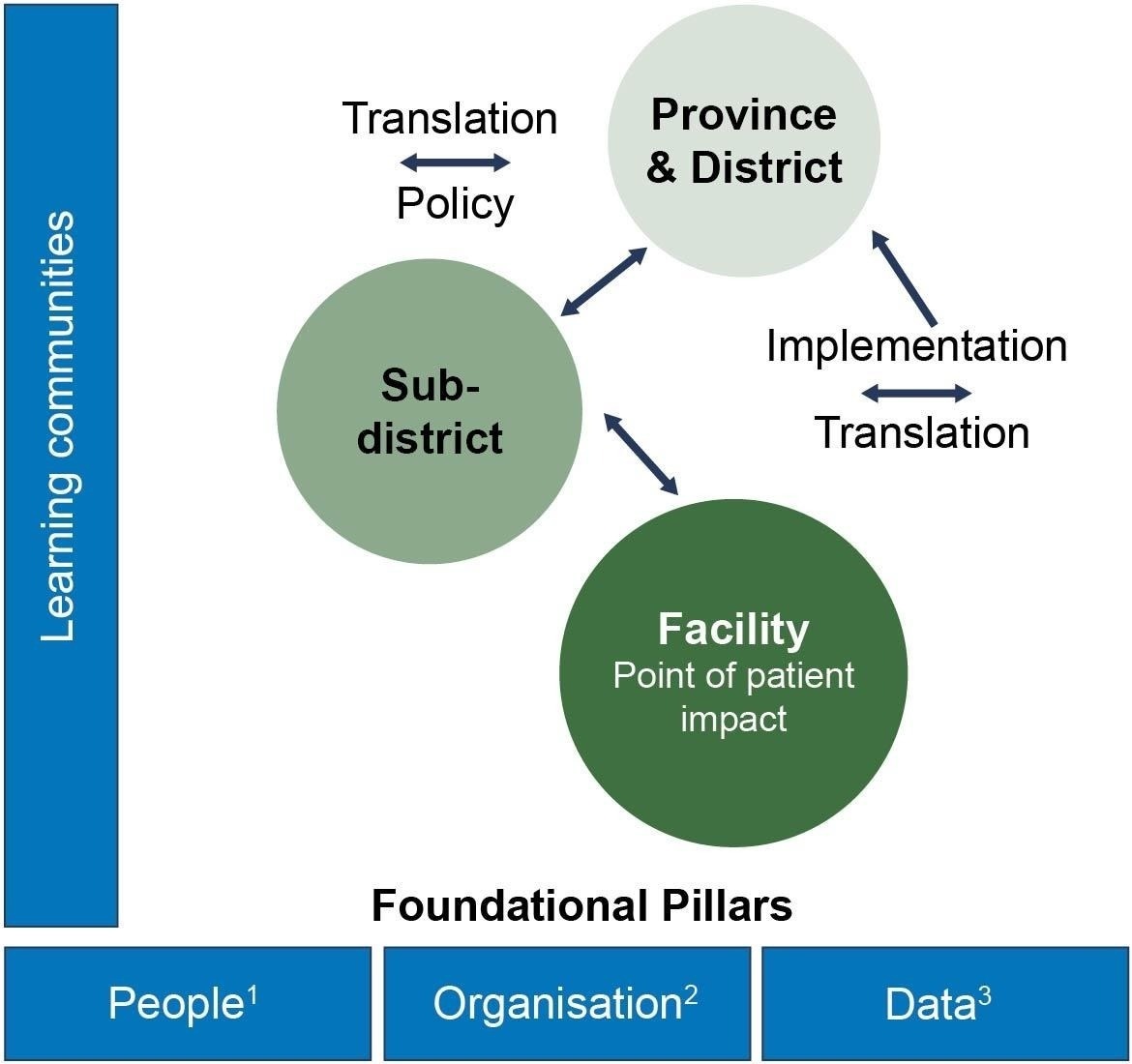
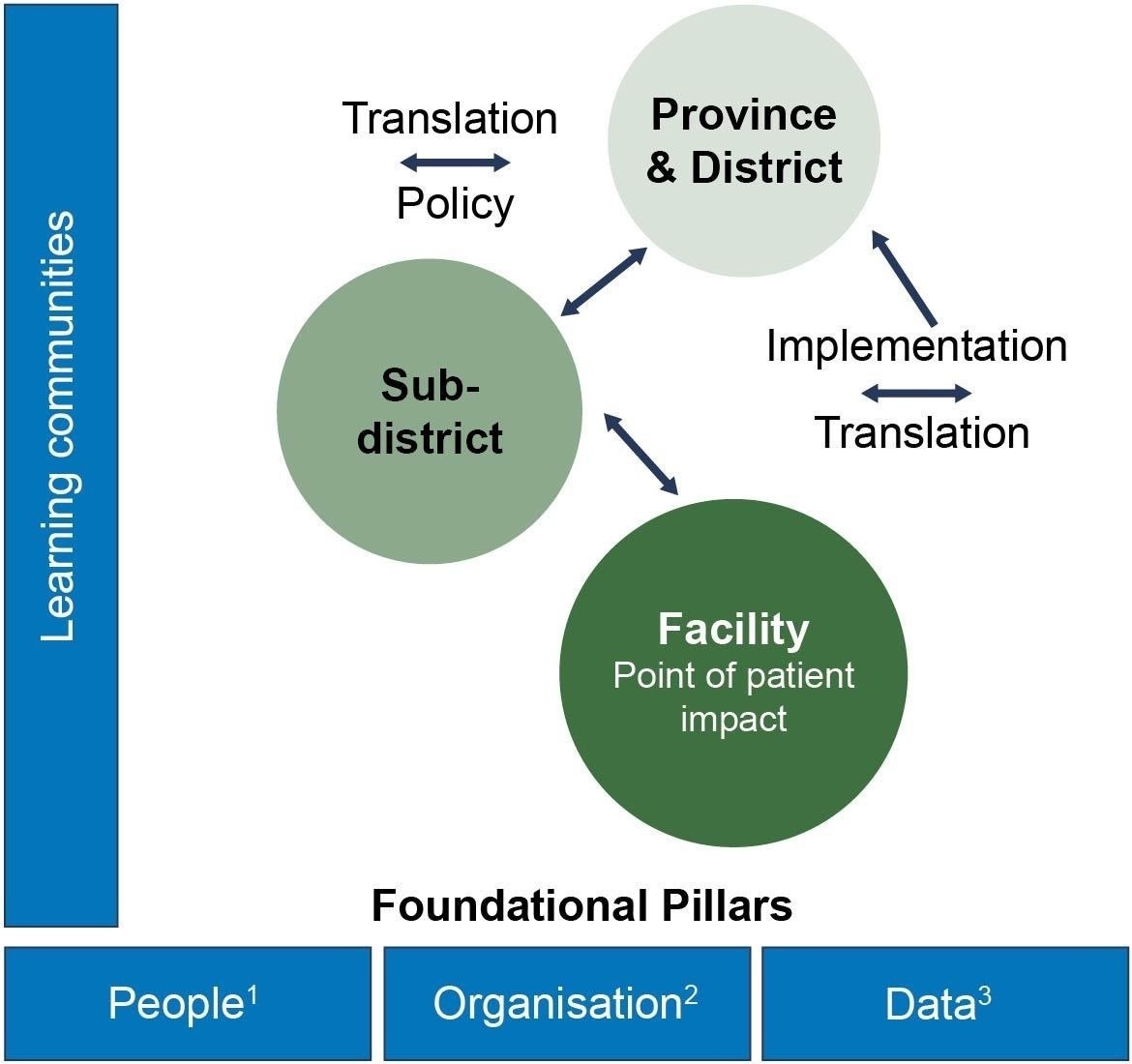
Figure 1 illustrates the LHS as three interdependent pillars that emerged over time as central to fostering and sustaining organisational learning: (1) people with curiosity and skills; (2) organisational structures, processes, and culture that enable reflection and adaptation; and (3) accessible and reliable data for learning and improvement. The programme worked across three levels of the health system: (1) facilities as the primary unit for service delivery change; (2) sub-districts as the support structure for translating policy, sharing learning, and developing staff capacity to do learning work; and (3) districts and province for creating the enabling policy environment. Learning remained continuous and interactive across levels, each influencing the others.
Pillar 1: People
People are a central component of an LHS, encompassing a wide range of stakeholders including communities, patients, frontline healthcare workers, health managers, researchers, and policy makers.17 Key stakeholders in the setting of this project were managerial and clerical staff at all levels of the health system, and frontline healthcare workers at the facility level, creating enabling environments for learning, ensuring data quality and use, and driving service improvement.
Early engagement focused on establishing teams, introducing concepts of the LHS and quality improvement (QI) methodology as a structured approach to improving systems and processes through data-driven, iterative testing,18 and encouraging curiosity to learn. A key component was facilitating multidisciplinary QI teams that brought together those best placed to address specific initiatives. For example, implementation of six-month multi-month dispensing (6MMD) for stable people living with HIV required collaboration between facility managers, HIV clinicians, pharmacy staff, and the sub-district HIV/AIDS, STIs and tuberculosis (HAST) team, whereas improving TB testing required involvement of operational managers, TB nurses, clerical staff, and community health workers. These teams helped participants recognise how their individual roles contributed to system-wide learning and improvement.
Role clarification and capacity-building advanced in parallel. Standard operating procedures (SOPs), job descriptions, and performance management documents were updated, where relevant, to embed data use and improvement responsibilities into routine practice. Over 296 staff were trained in data capture, SPV use, and QI methodology, with training evolving from separate technical sessions to integrated, workflow-based learning. Training was adapted to context and user maturity. Online sessions were used more often in metropolitan areas, while in-person workshops and on-site follow-up remained essential in many rural facilities, where limited staffing, competing service demands, and varying digital confidence reduced engagement with remote learning. Materials were increasingly made available online to support continued autonomous learning.
As confidence grew, practical use of these skills became clear. For example, a TB nurse who previously focused mainly on clinical duties, began using the available reporting tools and dashboards to analyse her facility’s TB caseload and testing patterns. By reviewing data on positivity rates, hospital referrals, and patient cohorts requiring targeted testing (such as new HIV clients and pregnant women living with HIV), she identified specific service gaps, initiated small, focused QI projects, and tracked changes in these indicators over time to witness the impact of her team’s actions.
Sustained progress also required deliberate engagement of managers and programme leads across facility, sub-district, and district levels. Through regular check-ins, joint planning, coordinated training, and collaborative troubleshooting, managers were supported to use data and new tools, and to foster learning and improvement within their own teams.
Pillar 2: Organisation
While people form the foundation of an LHS, organisational structures determine how learning is enabled, shared, and sustained. Strengthening these organisational structures and processes involved improving governance and broadening participation, while fostering a learning culture required deliberate leadership, mentorship, and peer exchange.
Governance
Governance focused on two complementary priorities: developing formal guidance to standardise practice, and establishing forums for coordination, reflection, and review.
The development of guiding documents, such as SOPs, circulars, and policies authorising the use of SPV reports and embedding QI methods,19–21 was an iterative, participatory process involving multiple rounds of engagement with government representatives and partners, refinement through feedback, and formalisation through existing approval pathways to ensure alignment with provincial systems.
Existing relevant forums were adapted to include structured discussion of data interpretation, service gaps, and follow-up actions. Where gaps existed, new forums were established with defined membership, terms of reference, and meeting schedules (Table 1). Project-led forums were handed over to local managers or clinical leads as early as feasible, with ongoing support for agenda setting, documentation, and visual data summaries. Over time, they monitored not only programme indicators but also indicators of organisational learning, including SPV use and completion of QI projects.
However, appropriate platforms alone did not guarantee engagement. Sustained participation required visible leadership, regular mentorship, and ongoing follow-up to reinforce that the LHS strengthened rather than added to routine work. Engagement increased as staff experienced practical benefits, including smoother workflows, reduced duplication, and improved patient care.
Fostering a learning culture
As platforms stabilised and participation deepened, a culture of learning was reinforced through open discussion and peer exchange. Early adopters shared their experiences, including challenges and lessons learnt across governance forums at sub-district, district, and provincial level, helping to normalise reflective practice and embed learning in routine work. Additionally, quarterly learning exchanges brought together government and project staff, partners, and researchers to explore broader system issues and share innovations. These sessions also informed refinement of project activities and tools in response to shared learning.
Pillar 3: Data
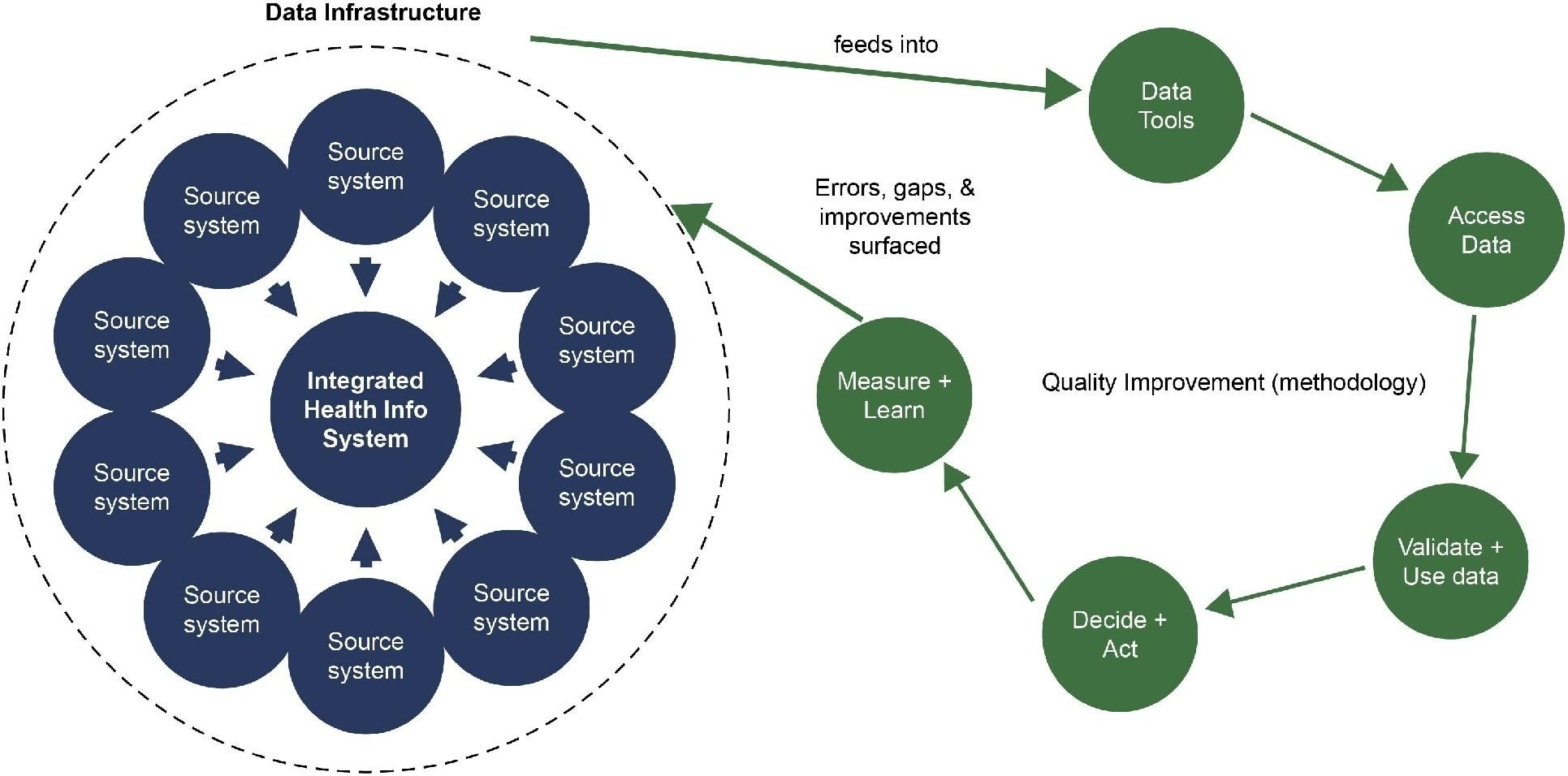
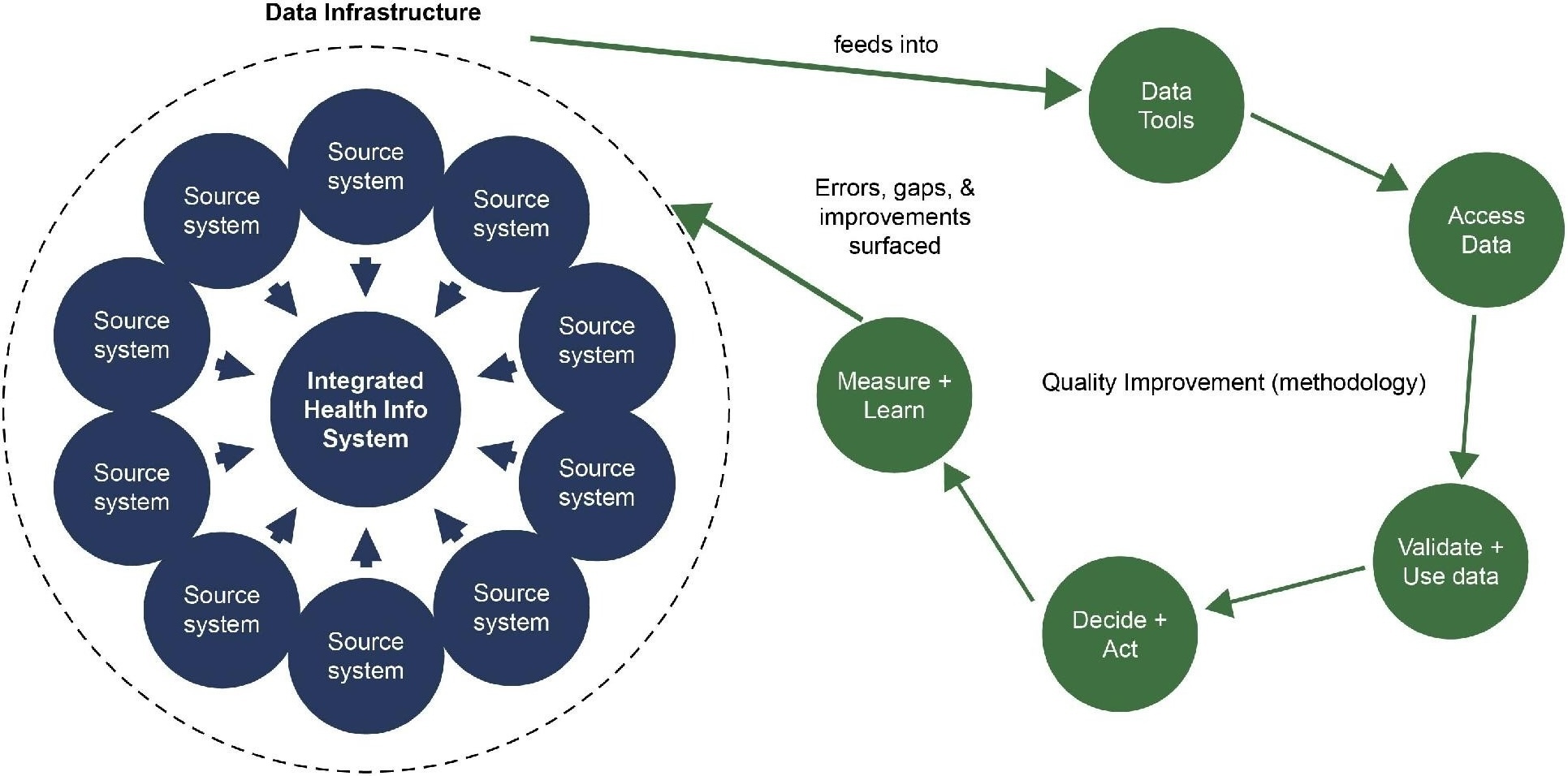
The LHS is strengthened by high-quality, real-time data that are easy to access and interpret.1 Figure 2 illustrates how source-system data feed an integrated HIS, such as SPV, enabling tools that support access, interpretation, reflection and quality improvement. Insights generated through these tools informed improvements in data capture, identified bugs and logic issues, and guided ongoing refinement of reports and system functionality, creating continuous feedback loops that strengthened the HIS over time.
Data infrastructure
The Western Cape hosts an advanced integrated HIS, the PHDC, that curates laboratory, clinical, pharmacy, and administrative data into a harmonised, patient-linked record, along with various clinical line lists and aggregate reports and dashboards accessible through the SPV platform.13 Despite being available for several years, SPV uptake and user confidence varied across settings. Project teams therefore prioritised strengthening the enablers of effective data use: improving source-system data quality, enhancing tool usability, and expanding equitable SPV access.
Source system data input quality
High-quality data still depend on accurate, consistent capture at facility level. Clerical and clinical staff were supported through mentorship and training to improve understanding of the importance of data for downstream use, and thus data quality precision. This included reinforcing complete and accurate record-keeping, standardising input fields across paper and digital systems, and emphasising timely data capture through ongoing communication and tracking of time-sensitive indicators, such as TB linkage to primary health care.
Project teams also supported digitisation to reduce clerical burden and minimise errors such as duplicates and fragmented records. Key registers, including the HIV Testing Services (HTS) register, began to be digitised, and convergence of source systems was pursued. This included migrating from Three Interlinked Electronic Registers (TIER.net) to networked Primary Health Care Information System (PHCIS) facilities to simplify record-keeping and strengthen the integrity of data entering the PHDC.
Data tools
For data to inform learning, tools must be usable, clinically relevant, and aligned with programme needs. Project teams bridged end-users and the PHDC, establishing feedback loops through a quarterly Reports Refinement Working Group, a bimonthly co-learning forum, and a monthly reports insight meeting. Through this process, several reports were developed or refined, providing structured, accessible views of service data to support routine monitoring at facility, sub-district, district, and provincial levels. These included a QI monitoring and evaluation tracking tool to support documentation and follow-up of quality improvement activities; a clinical governance evaluation (CGE) TB report and HIV dashboard to support programme monitoring; TB and HIV treatment action lists to assist facilities in identifying patients requiring review or follow-up; and the tuberculosis nucleic acid amplification test (TB-NAAT) dashboard to support oversight of testing patterns and results.
Data access
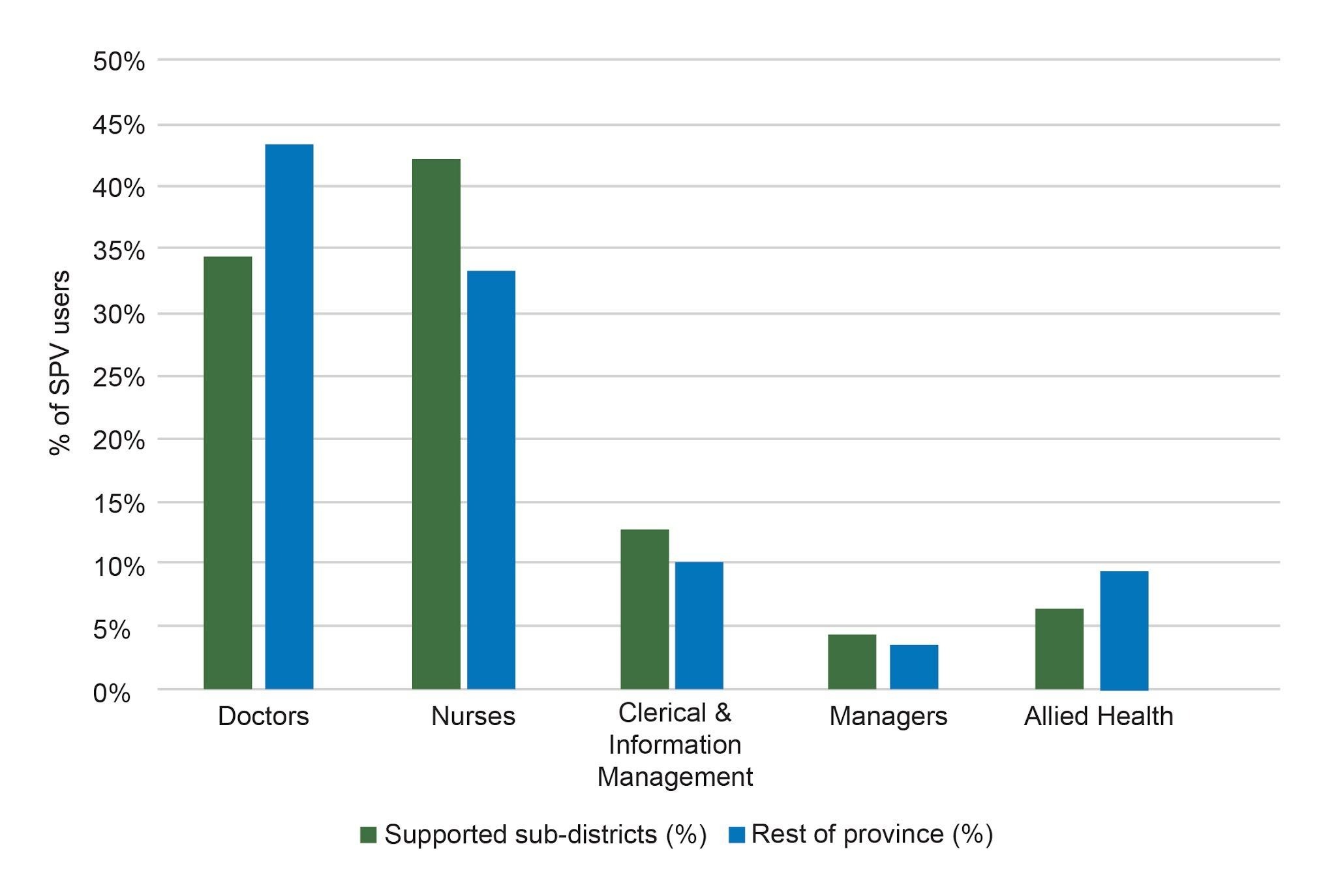
Equitable access to SPV required logistical and policy support. Strict cybersecurity protocols made registration challenging for many staff, particularly in rural settings. Thus, project teams provided on-site support through SPV roadshows and access drives, and developed SOPs to streamline applications and onboarding. These efforts broadened access beyond doctors to nurses, clerks, and allied health cadres (Figure 3).
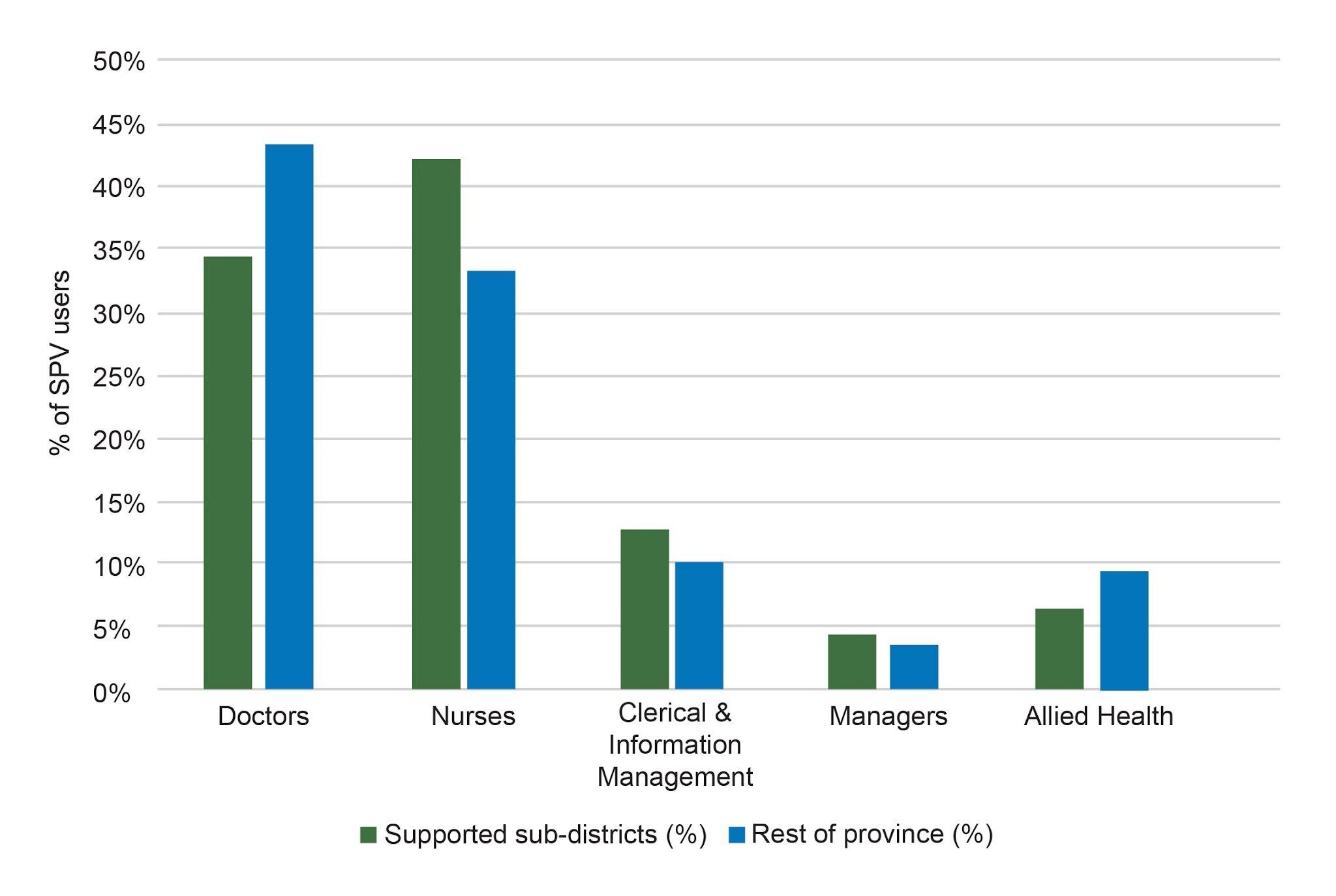
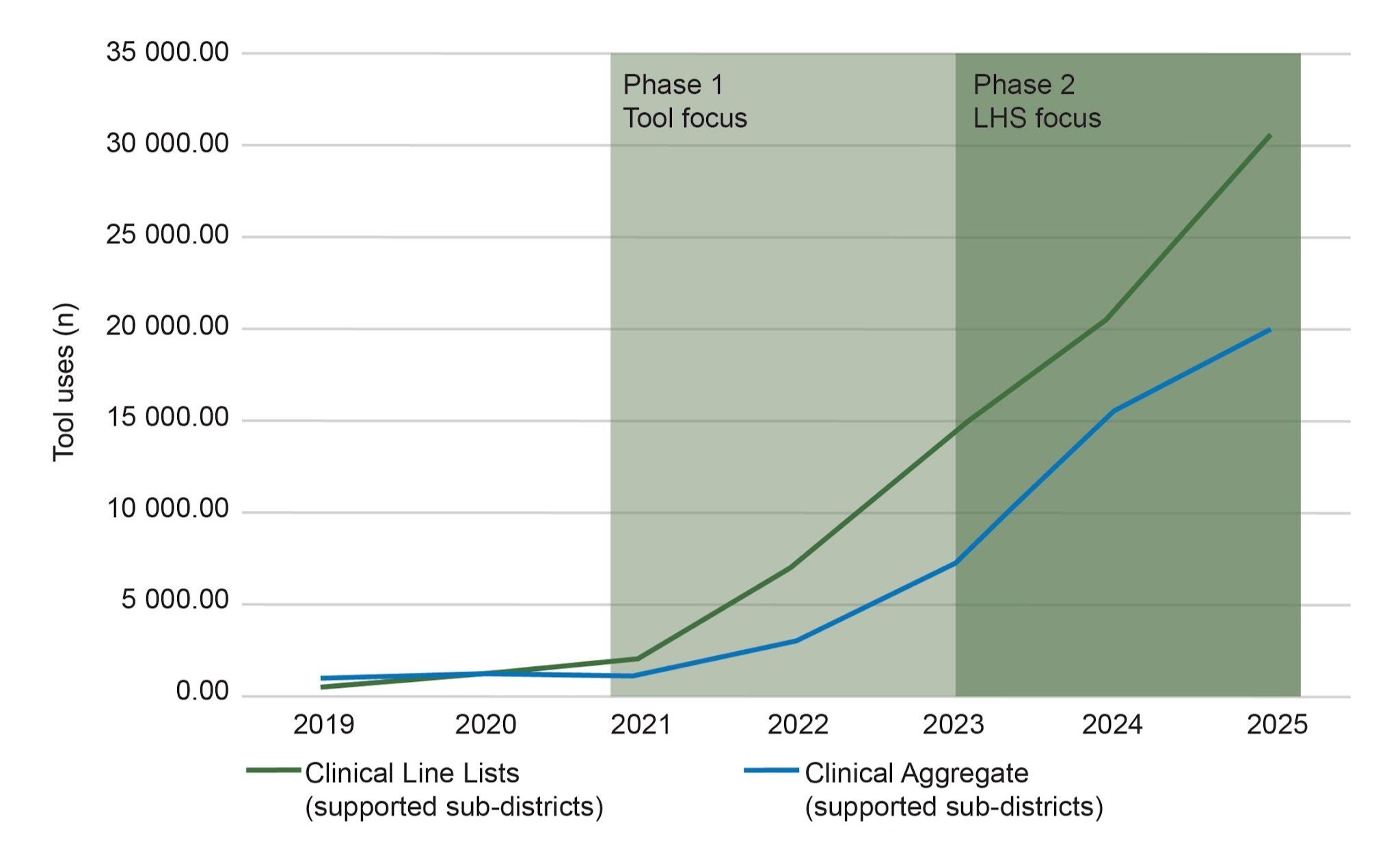
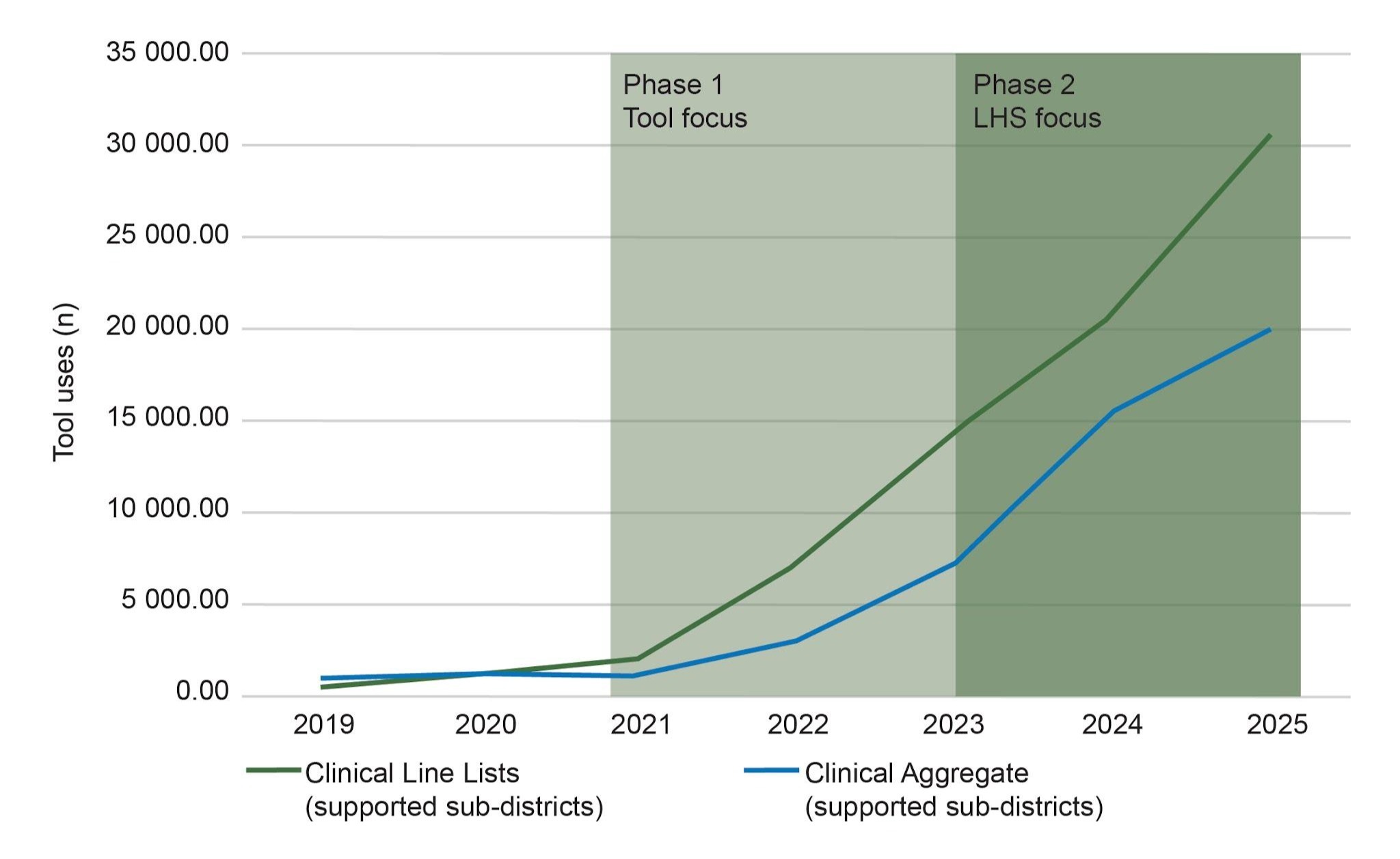
Platform analytics demonstrated greater multidisciplinary engagement in supported sub-districts, particularly among nurses, who often serve as facility managers, programme leads, and sub-district coordinators in primary health care. The shift from predominantly doctor to nurse use therefore suggests a transition from individual patient consultation towards broader programme monitoring and quality improvement. This is supported by rapid increases in the use of clinical line lists and aggregate reports for QI planning and monitoring (Figure 4).
Discussion
During the second phase of the Scaling Use of Health Data project (2023–2026), fostering an LHS provided a unifying framework for the programme’s interconnected activities. As implementation progressed, it became increasingly clear that sustained improvement required learning to be embedded in routine health system practice rather than pursued through isolated interventions. Three interdependent pillars emerged as foundational to fostering an LHS: people, organisation, and data, aligning with established LHS enablers.22,23 Two central insights emerged across these pillars: data systems enabled learning but depended on human and organisational capacity to translate information into action; and learning was most directly translated into service improvement at facility level, supported by sub-district structures that coordinated, translated, and shared learning across the health system.
Reviews of predominantly high-income-country literature have found that LHSs are commonly conceptualised through health informatics, electronic health records, and data infrastructure, with less attention to the human and organisational factors needed to translate information into learning and improvement.24 Consistent with evidence from resource-constrained settings, this case suggests that greater emphasis on these human and organisational factors may be warranted.5 While accessible, timely data remain essential, they support learning only when organisations create the culture, governance, and workforce capability needed to interpret information collectively and act on it. As the interface between the health system and the people it serves, the facility emerged as the core site where care is delivered, data are generated, and improvements are implemented. For example, collective interpretation of SPV data at facility level informed context-specific QI projects to strengthen TB case detection and TB and HIV linkage to and retention in care.
However, facility-level learning depended on enabling conditions at higher levels, including provincial investment in data infrastructure and district and sub-district structures that translated policy into operational guidance, coordinated learning, and supported implementation. Bidirectional feedback loops between levels allowed local learning to spread while ensuring that policies, data tools, and operational guidance remained responsive to service-delivery realities. For example, the district HAST community of practice translated national policy expanding TB testing eligibility among high-risk groups into an operational SOP that facilities could use to guide local QI activities.
Across the supported settings, the sub-district emerged as a particularly important level for learning and coordination, combining proximity to service delivery with the ability to support facilities, identify shared implementation challenges, spread local learning, and escalate system-level barriers. This is consistent with evidence that meso-level capacity is critical to enabling and sustaining health system improvement.25 For example, a facility-developed tool to facilitate TB testing among contacts was refined with sub-district support, shared through a district learning forum, and subsequently adopted as a district-wide intervention. Similarly, during 6MMD implementation, learning from facilities was consolidated at sub-district level into local implementation models, tools, and SOPs. Experience from both rural and metropolitan settings, including clinician-led implementation approaches, redesign of existing HIV service models, and the need for patient-support materials, subsequently contributed to provincial guidance and resources. Conversely, a provincial SPV TB programme report was tested through a sub-district forum involving facility and sub-district staff, whose feedback informed refinement of the final tool.
People
Developing workforce skills in data capture, interpretation and service improvement is a key building block of an LHS.17,26 The findings in this case are consistent with the COM-B behaviour change model27: staff needed the capability (C), motivation (M), and opportunity (O) to engage in learning and improvement (behaviour (B) change). Technical training alone was insufficient. Staff first needed to understand the purpose and practical value of data and improvement activities and how they fitted into existing workflows, while motivation grew as they experienced practical benefits and saw how their actions could contribute to improved patient care.
Building motivation required repeated engagement to help staff recognise their role within a broader learning community and develop the confidence to identify gaps, test improvements, and drive change within their sphere of influence. A major part of this was reframing the perceived divide between ‘data work’ and ‘clinical work’ and emphasising their interdependence. For clerical staff, this meant recognising data capture as the first link in an information chain that informs clinical and policy decisions; for clinicians, recognising data generation and interpretation as integral to service improvement as well as individual patient care; and for managers, creating the conditions for teams to engage in learning and improvement.26 Formalising data use and improvement responsibilities through SOPs, job descriptions, and performance agreements helped legitimise this work as part of routine roles rather than an additional project activity. Multidisciplinary teams were also essential, as learning and improvement could not depend on individual champions alone; different service challenges required different combinations of clinical, managerial, programme, and support staff to interpret problems and act collectively. Continued mentorship, visible leadership endorsement, and recognition of good practice further reinforced these shifts. Interaction within learning structures was also important, as collective interpretation and discussion gave routine data meaning. This echoes experience from a South African monitoring and response unit, where these ‘new systems of meaning’ helped staff identify patterns, connect actions with outcomes, and sustain changes in practice.28
Capability and motivation could translate into action only when staff had opportunities to engage in learning work. Within the WCDHW, competing demands on staff time meant that these opportunities needed to be deliberately created to allow time and space for data use, reflection, and improvement.
Organisation
Although the WCDHW articulated a longstanding commitment to organisational learning in Healthcare 2030,12 this strategic vision has not consistently translated into structures and practices that enable learning at operational levels. Translating this commitment into practice required formal guidance that authorised new ways of working and dedicated structures through which staff could interpret data, reflect, coordinate action, and share learning.
The importance of these structures is consistent with LHS literature identifying learning communities and other systems for knowledge-sharing across organisations as central to cycles involving practice to data, data to knowledge, and knowledge back to practice,1,26,29 and with evidence on learning structures in South African primary health care.30 Existing forums could often be adapted rather than new ones created, although new structures were needed where gaps existed, particularly for rapidly evolving initiatives such as Close the Gap.31 Effective forums required clear purpose, terms of reference, leadership, and processes for follow-up; simply convening additional meetings was insufficient to generate learning.
Importantly, organisational strengthening required not only formal structures and documents but also a culture that valued curiosity, transparency, and shared responsibility for patient outcomes. QI methods created a shared language for problem-solving across clinical, managerial, and support staff. Increasingly, facilities presented their work in sub-district forums using specific, measurable, achievable, relevant, and time-bound (SMART) aims, baseline data, root-cause analysis, change ideas, and implementation results, including both successes and failures. This enabled other facilities to question, reflect on, and learn from these experiences, while teams collectively explored why interventions had or had not produced improvement. Over time, this shared language and practice helped shift discussion from describing problems without examining underlying assumptions towards structured enquiry, experimentation, and collective learning, reflecting the progression towards deeper learning described in the AHPSR report.1
Data
The Western Cape’s investment in the PHDC provided a strong data foundation for LHS development. However, slow initial uptake during the first phase of the project demonstrated that robust HIS infrastructure alone was insufficient to enable routine data use and learning. The increase in SPV use during Phase 2 followed efforts to improve access, usability, and staff capability. As use increased, feedback from end-users identified problems with source data quality, bugs, user experience, and limitations in report logic, enabling further refinement of the tools and underlying information system, and growth in staff confidence to use the tools. Data use therefore became part of the learning cycle rather than simply its endpoint.
The availability of large volumes of routine data did not necessarily mean that existing indicators were useful for learning and improvement. Routine data often needed to be selected, combined, or reconfigured around operational questions, including reconsidering denominators and visualising the data in ways that made patterns and gaps visible. In some instances, locally developed metrics and visualisations were subsequently incorporated into formal PHDC tools, illustrating how data use itself generated learning that could improve the information system. For example, the TB Clinical Governance Evaluation report brought previously dispersed measures together into a single operational view of the TB care cascade, shaped by collective discussion of what facility and programmes were monitoring manually. The same principle applied to the LHS itself: monitoring expanded beyond programme outcomes to include indicators of the learning process, such as data-tool use and QI activities.
Importantly, an advanced integrated HIS is not a prerequisite for an LHS, but it can substantially reduce the effort required to link, aggregate, and analyse disparate data sources. However, the quality of an integrated system remains dependent on the quality and sustainability of its source data. Many source systems continued to rely heavily on manual data capture which leaves them vulnerable. This dependence creates vulnerability to external shocks, as demonstrated in 2025 when the global withdrawal of United States Agency for International Development (USAID) funding32 was followed by the loss of externally funded data-capture capacity in local facilities. Reducing this vulnerability will require simplifying, digitising, and automating data collection wherever feasible.
Challenges and limitations
The Scaling Use of Health Data project is an operational health-system strengthening initiative rather than a research study, with activities adapted to differing organisational structures, contexts, and stages of implementation across City Health, Metro Health Services, and Rural Health Services of the Western Cape. Consequently, this case study did not include formal comparison sites and drew largely on implementation documentation and routine operational data, which may be subject to missing or misclassified data due to continued reliance on manual capture. Several authors were directly involved in implementation, providing detailed contextual insight but introducing potential for interpretive bias. We sought to strengthen the credibility of findings through collaborative review, stakeholder consultation, and triangulation across data sources.
Despite meaningful progress towards fostering an LHS, it remains difficult to assess progress towards the broader aspirational outcomes of improving health-service efficiency and responsiveness,1 or to attribute changes in health outcomes to LHS development within a complex system where multiple interventions occur simultaneously. This case study was conducted near the end of a three-year project, while the effects of strengthening learning capability may only become evident over long periods.26
A further challenge is sustainability. Many activities were supported by externally funded project staff, creating implementation capacity that may not be available within routine health-system resources. Although efforts were made to build local capability and embed learning through formal guidance, routine governance structures, and transfer of activities to WCDHW staff, it remains uncertain which activities will be sustained.
Finally, patients were largely absent from the learning communities established through the project, despite patient engagement being recognised as an important component of LHSs.1,22 The project focuses primarily on strengthening health system staff capacity to generate, interpret, and act on routine data, while patient participation and measures of patient experience are not systematically incorporated into routine learning processes. This limits the extent to which learning reflected the perspectives of people using health services.
Lessons learnt
Fostering a learning health system is a long-term process of developing organisational capability for collective learning. Data tools alone do not produce continuous improvement: people need the capability and opportunity to use them, learning must be embedded in routine work, and organisational structures must enable reflection, coordination, and action. Integrated information systems can accelerate LHS development but are not a prerequisite: progress can build on existing data, structures, and local capacity, alongside investment in people, governance, and learning culture.
Learning was most directly translated into improvement at facility level, while sub-district structures played an important role in supporting facilities, sharing learning, and connecting local experience with higher levels of the health system. Sustained progress requires both bottom-up learning and consistent support from higher levels, with continued investment to embed learning and improvement in routine roles and structures rather than discrete projects.
Conclusion
Fostering an LHS provided a unifying framework for interconnected health system strengthening activities, with three interdependent pillars: people, organisation, and data, emerging as foundational. Data systems enabled learning but depended on human and organisational capacity to translate information into action, while learning was most directly translated into service improvement at facility level, supported by sub-district structures that coordinated, translated, and shared learning across the health system. Accessible, timely data support learning only when organisations create the culture, governance, and workforce capability needed to interpret information collectively and act on it.
Future work should assess the maturity of the WCDHW LHS and monitor both learning processes and health system outcomes, while strengthening the incorporation of patient perspectives and measures of patient experience into routine learning. For other resource-constrained health systems, the central lesson is to start with existing capacity, create practical opportunities for collective learning, and progressively embed reflection and improvement into routine practice.
Acknowledgements
The learning health system work described in this case study was undertaken in collaboration with the Western Cape Department of Health and Wellness and the City of Cape Town, with funding from the Gates Foundation administered through The Health Foundation of South Africa. The authors also acknowledge the contributions of staff across provincial, district, sub-district, and facility levels to the ongoing development of a learning health system.